
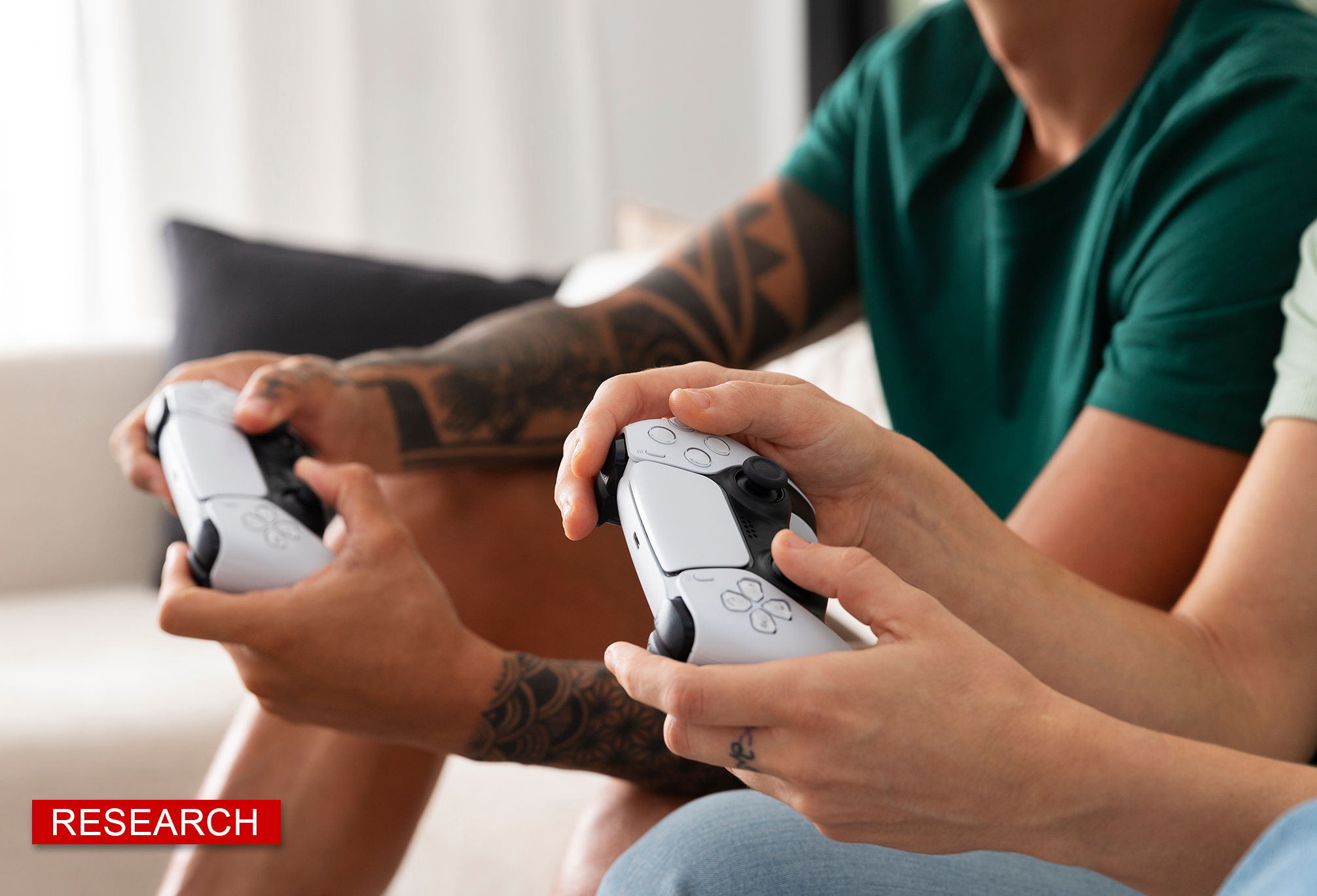
Video games are often talked about as entertainment, but research suggests they may also support thinking skills, emotional well-being, and social connection when played in moderation. Games are interactive, which means players are not just watching something happen. They are making decisions, solving problems, reacting to changing situations, and learning from mistakes.
The American Psychological Association has described video games as having possible benefits across cognitive, motivational, emotional, and social areas. That does not mean every game is automatically helpful, but it does show that gaming can be more than a way to pass the time.
Gaming Can Support Problem-Solving and Resilience
Games often reward trial and error. Players fail a mission, lose a match, restart a level, or change their strategy until they improve. That process may support patience, adaptability, and problem-solving habits.
The Entertainment Software Association’s 2026 Essential Facts report found that 76% of adult players surveyed agreed that video games help develop problem-solving skills. The same report found that 58% linked gaming with adaptability and resilience, while 67% connected it with teamwork and collaboration. Because these numbers come from survey responses, they show how players describe their own experiences rather than proving that games create those skills for everyone.
Gaming Can Help People Feel Connected
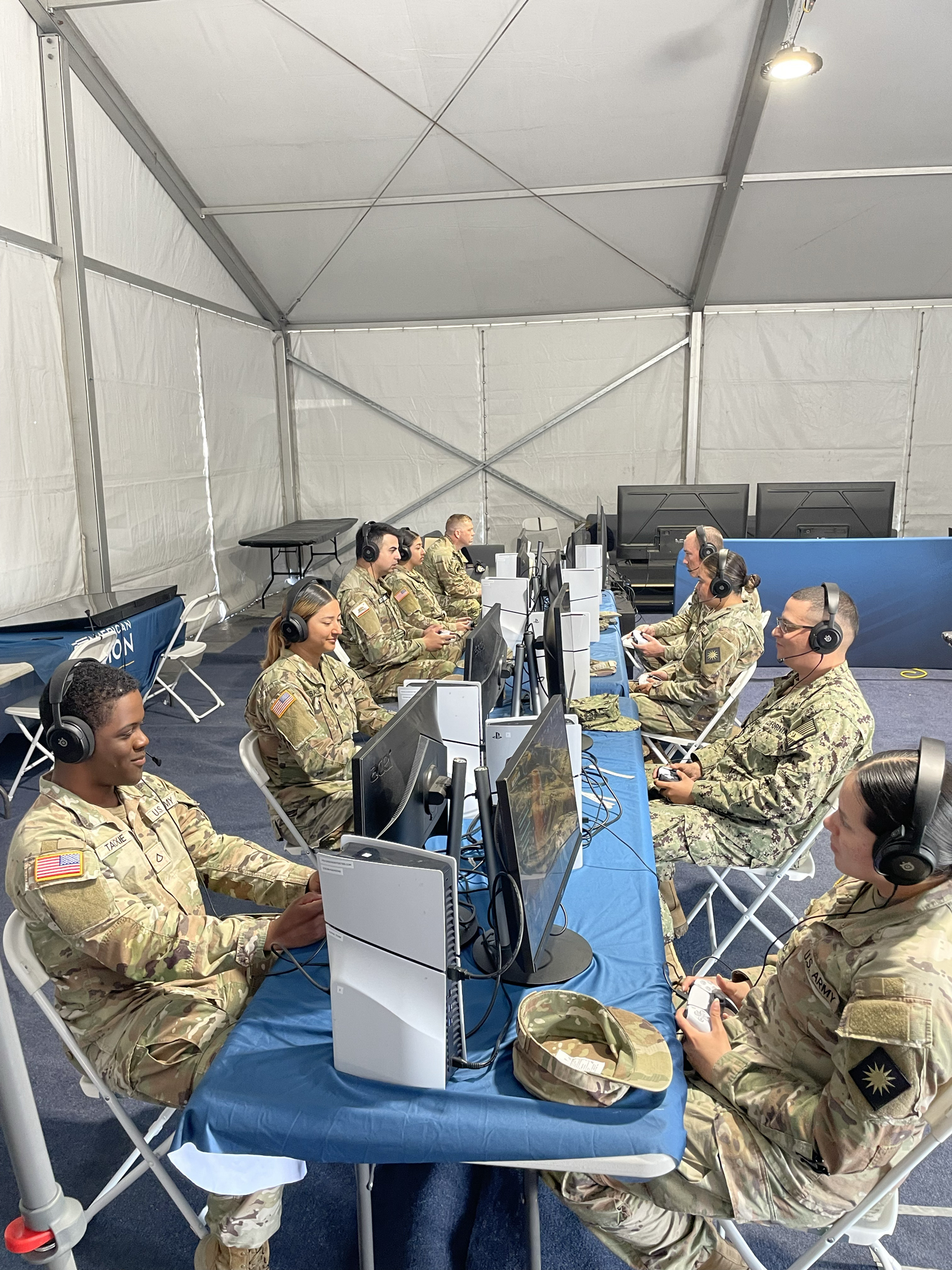
Online and multiplayer games can create low-pressure spaces for people to talk, cooperate, and spend time together. For some players, that connection happens through competitive matches. For others, it happens through co-op missions, guilds, Discord communities, or casual games with friends.
According to ESA’s 2026 report, 49% of players said games help them stay connected to friends and family, while 47% said they have met people through games they otherwise would not have met.
Games May Help With Stress and Mood
Gaming can also offer a mental reset. Casual games, cozy games, puzzle games, and familiar comfort games can give players structure, small goals, and a break from daily stress.
ESA’s 2025 Global Power of Play report found that 77% of players globally said video games help them feel less stressed, 70% said games help reduce anxiety, and 64% said games ease loneliness by connecting them with others. These findings are based on how players reported their own experiences.
Research on casual video games has also found improvements in mood and reductions in physiological stress after gameplay, suggesting that certain types of games may help some players relax.
Gaming Skills Can Be Useful Outside the Screen
Some gaming skills may carry into real-world settings. Fast reactions, hand-eye coordination, timing, and spatial awareness are all used in many types of games.
A study published in JAMA Surgery found that video game experience was associated with better performance on laparoscopic training tasks. Surgeons with gaming experience completed tasks faster and made fewer errors, but the study does not prove that gaming alone caused the difference.
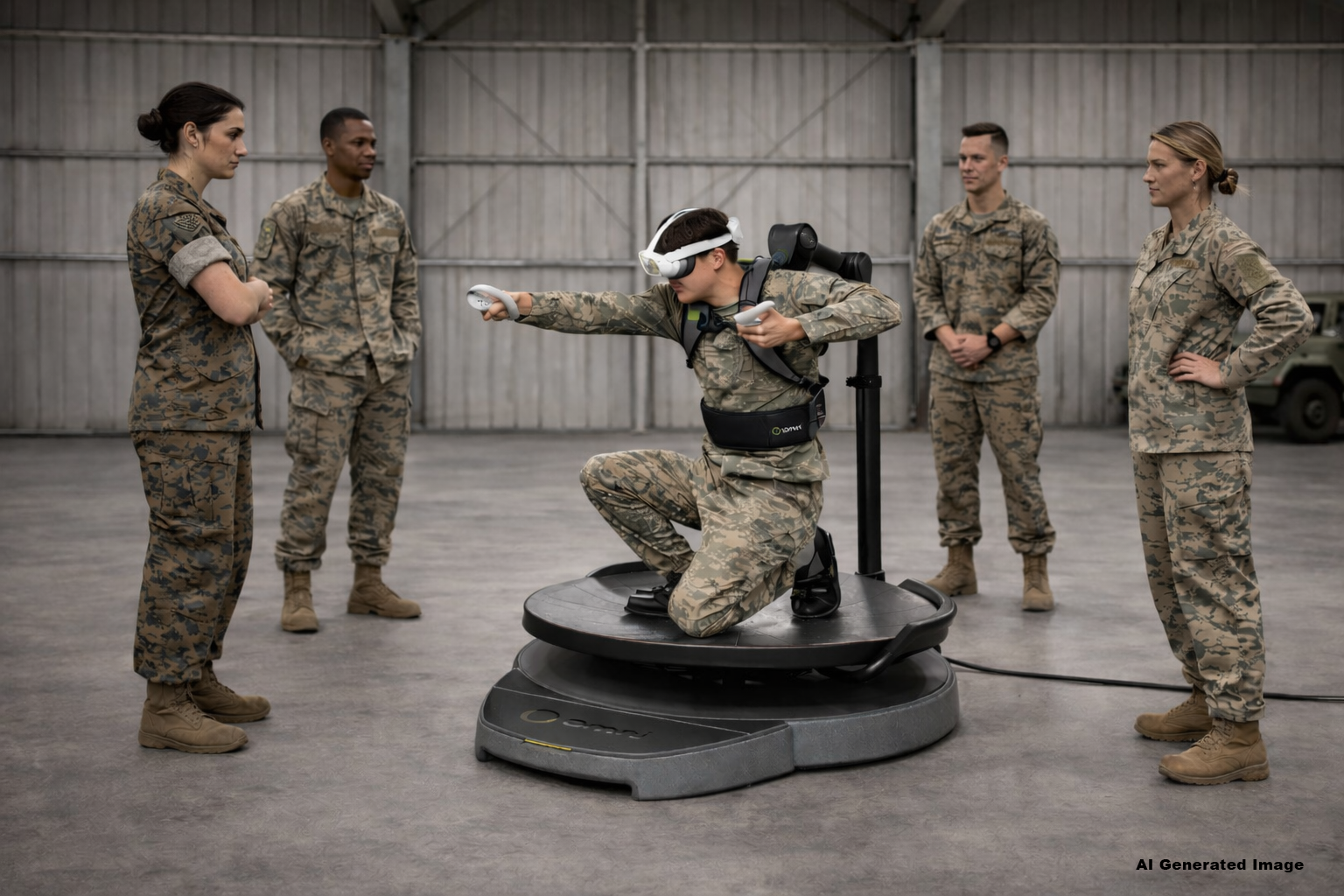
Game-based technology is also being used in rehabilitation. A Cochrane review found that virtual reality and interactive video gaming may help improve upper limb function and daily living activities after stroke when used alongside usual care.
Games Can Give the Brain a Workout
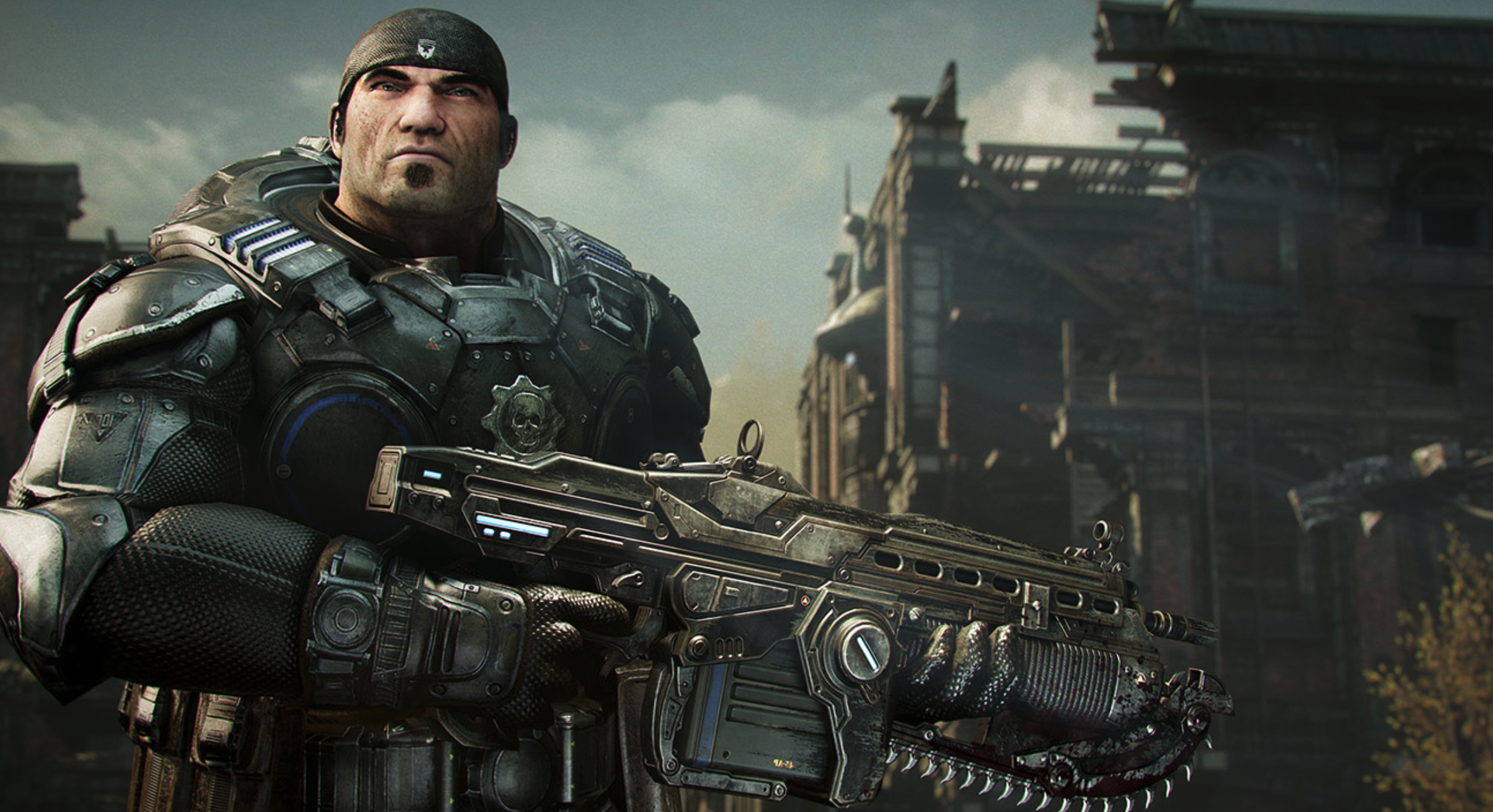
Many games ask players to remember information, track movement, manage resources, and adjust strategy on the fly. Different game genres work the mind in different ways, from puzzles that test logic to open-world games that ask players to plan, explore, and adapt.
Some research has found that certain games may support memory and spatial navigation. A PLOS One study found that adults who trained with Super Mario 64 over several months showed increased gray matter in the hippocampus, an area of the brain connected to memory and navigation. This finding was tied to a specific game and study group, so it should not be read as proof that all games increase gray matter.
Action games may also help with visual-spatial skills. A meta-analysis on action video game training found that these games may improve some cognitive abilities, especially skills tied to attention, reaction, and processing visual information.
Balance Still Matters
The strongest case for gaming is not that more is always better. The benefits depend on the type of game, the person playing, and whether gaming fits into a healthy routine. Used in moderation, video games may offer mental stimulation, social connection, stress relief, and real-world skill-building.
Gaming should not replace sleep, physical activity, work, school, family time, or professional care when someone needs support. The World Health Organization recognizes gaming disorder as a pattern where gaming becomes hard to control, takes priority over other activities, and continues despite negative consequences.






0 Comments