
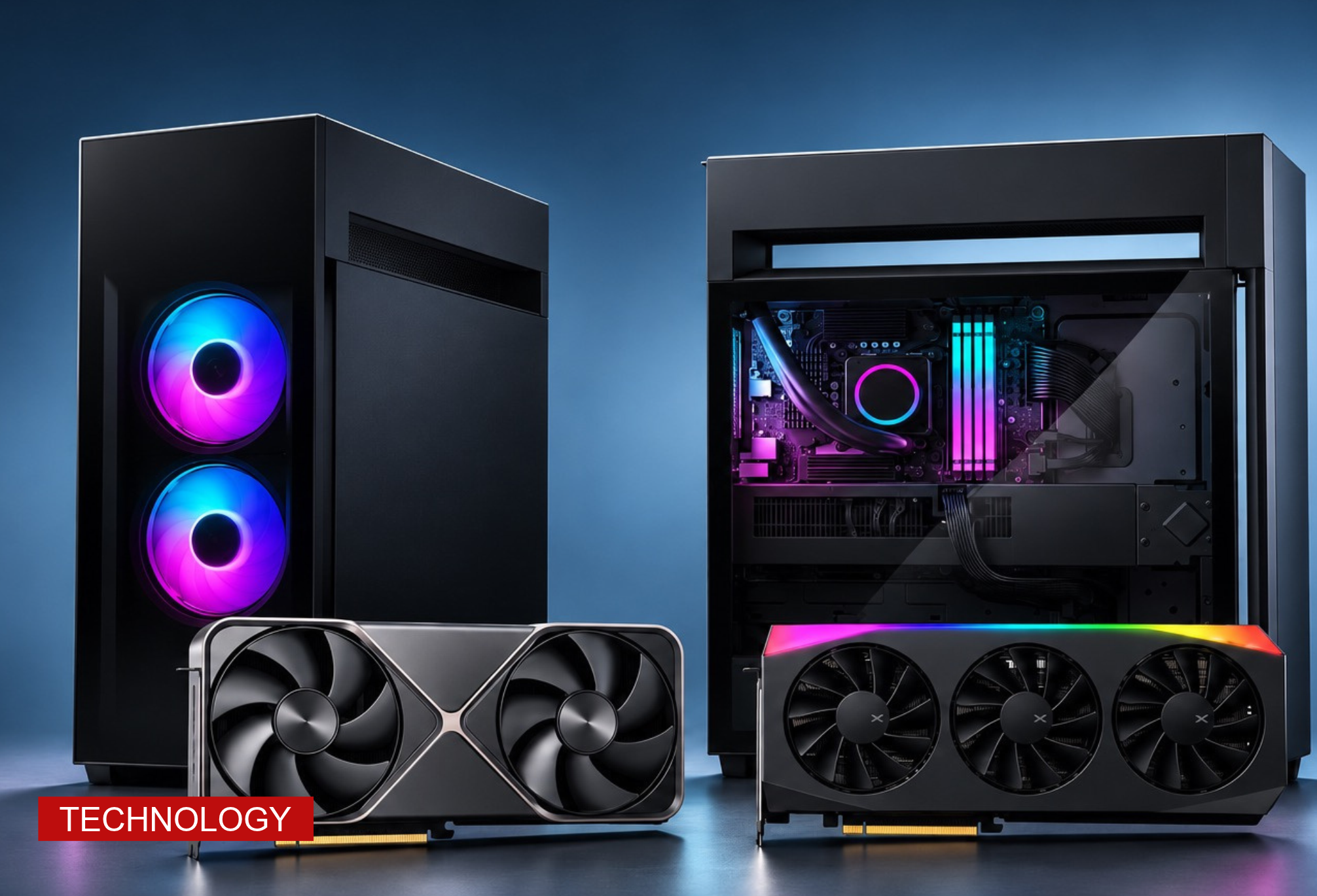
PC gamers are paying more for graphics cards as artificial intelligence (AI) increases demand for computer hardware.
According to a TechSpot analysis of prices in 10 countries, gaming graphics cards became about 35% more expensive on average during the three months ending in October 2026. Specialists warn that rising memory costs could keep gaming PCs expensive well into 2027.
A November 2 report from TechSpot found that graphics card prices increased 11% in October alone. The publication tracked prices across 10 countries, including the United States, where some Nvidia and AMD cards now cost hundreds of dollars more than at launch.
Graphics cards help computers run games and display detailed graphics. Nvidia’s GeForce RTX 5060 launched at $299 but was listed for $450 in October. The RTX 5080, originally priced at $999, reached $2,200. AMD’s Radeon RX 9060 XT 16GB also increased from $349 to $620.
The biggest price difference was seen with Nvidia’s RTX 5090. The graphics card launched at $1,999, but TechSpot found the lowest available U.S. listing had reached $9,400 in October. That was an unusually high asking price, not a typical selling price.
The shortage is also affecting prebuilt gaming PCs. A Nov. 10 report from Notebookcheck found that HP and Lenovo had no RTX 5090-equipped desktops available for immediate purchase in their U.S. online stores. HP’s Omen Max 45L is listed at $8,099.99 but is out of stock. Other manufacturers still had systems available, though some cost more than $10,000.
The problem goes beyond graphics cards. RAM, which helps computers run games and programs, and solid-state drives (SSDs), which store games and files, are also becoming more expensive.
Much of the demand comes from companies building AI data centers. These facilities use powerful computers to process enormous amounts of information. As AI companies buy more equipment, manufacturers are dedicating more production to parts used in AI servers, leaving fewer available for everyday computers.
According to market research firm TrendForce, prices for standard computer memory, known as DRAM, are expected to rise another 10% to 15% in the final three months of 2026. NAND flash memory, used in SSDs, is expected to increase by 15% to 20%.
Nvidia and AMD are both benefiting from the growing AI industry.
Nvidia reported $89 billion in data center revenue during its fiscal second quarter, representing more than 92% of its $96.2 billion in total revenue. Although Nvidia still makes graphics cards for gamers, most of its sales now come from hardware used in AI and large computer systems.
AMD reported $8.5 billion in data center revenue for the third quarter of 2026, a 97% increase from the previous year. The company keeps on produce Ryzen processors and Radeon graphics cards as it expands its AI business.
Neither company has announced plans to stop making gaming hardware. However, growing demand for AI equipment is putting more pressure on the supply of computer parts.
As a result, building or upgrading a gaming PC can cost considerably more than it did a year ago. Even budget gaming computers are becoming harder to afford as prices for graphics cards, memory, and storage rise.
Prebuilt gaming PCs may sometimes be cheaper than buying the parts separately because larger manufacturers can purchase components in bulk. Gamers may also save money by keeping their current computers longer or by considering older and refurbished models.
The outlook for new computers is not much better.
International Data Corporation (IDC), a technology research company, predicts that average PC prices will rise 17% in 2026. The company also does not expect major improvements in memory supply before the end of 2027.
That does not mean every computer or graphics card will keep getting more expensive. Sales, discounts, and changes in demand could still give buyers opportunities to save money.
But gamers hoping for a quick return to affordable PC hardware may have to wait longer. As AI companies continue to buy large amounts of computer hardware, gamers are competing for some of the same parts, and supplies are struggling to keep up.








0 Comments