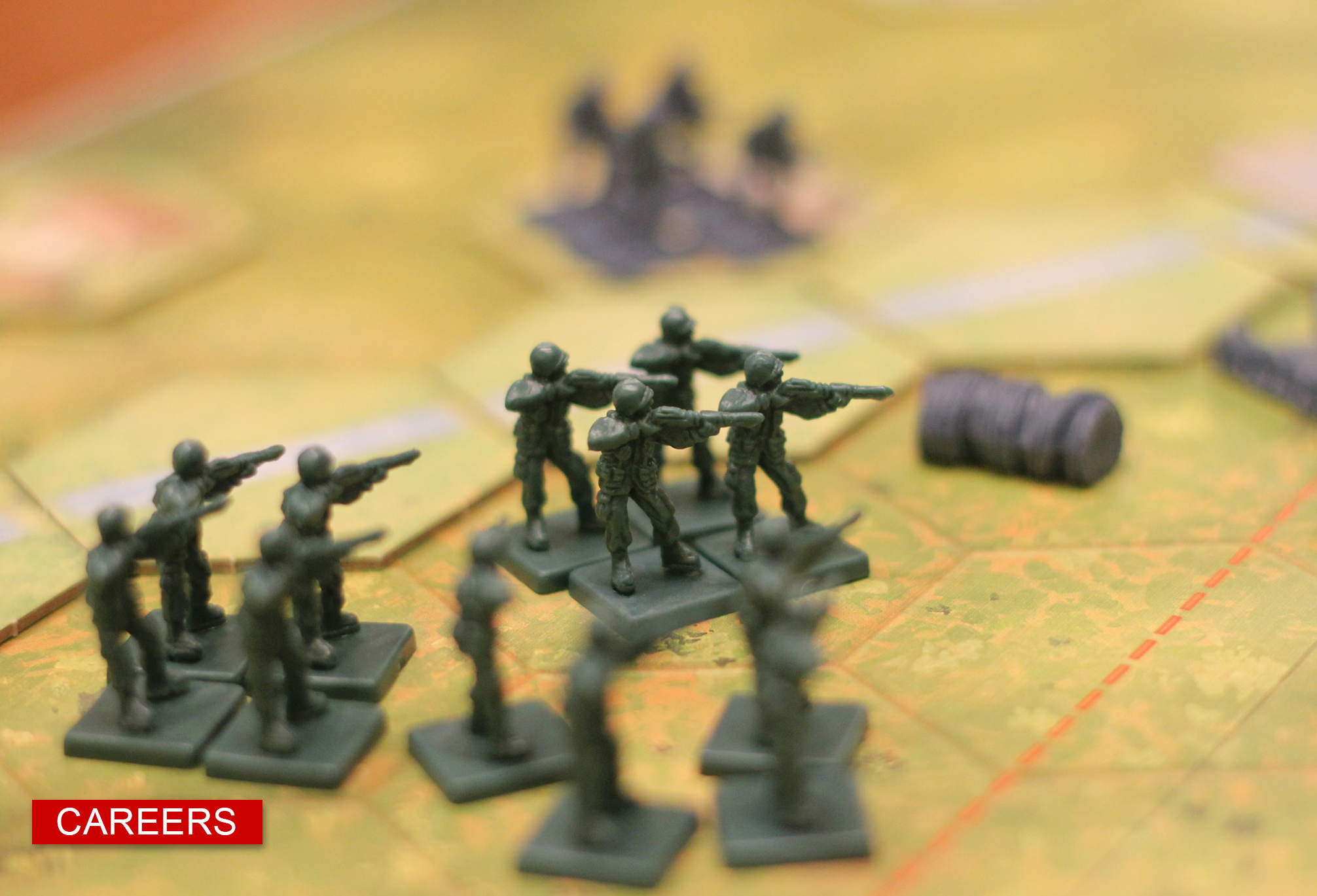
Strategy games are designed for fun, but many of the abilities they develop can carry over into the workplace. Whether someone is building an empire in Civilization, coordinating a squad in Arma, managing a nation in Hearts of Iron IV, or planning missions in Command: Modern Operations, players are constantly evaluating information, managing resources, setting priorities, and adjusting when conditions change.
Those abilities can be valuable in careers where employees must solve problems, communicate with a team, and make decisions without having every answer in front of them. Military organizations have used wargaming for centuries to test plans before making real-world decisions. Today, similar exercises are used by emergency planners, businesses, researchers, and government agencies to prepare for cyberattacks, misinformation, supply chain disruptions, infrastructure failures, and natural disasters.
These simulations are not designed to predict the future perfectly. They give participants a chance to examine a difficult situation, weigh different options, and see how one decision may affect everything that follows. That process closely resembles the work performed in fields such as project management, logistics, cybersecurity, emergency management, operations, intelligence analysis, and business continuity.
It also resembles what strategy gamers already do. A Civilization player must decide how to use limited resources while balancing immediate needs against long-term goals. Growing too quickly can create new vulnerabilities, while moving too slowly may allow competitors to gain an advantage. Those decisions involve prioritization, risk assessment, planning, and resource allocation, all of which are common responsibilities in management and operations careers.
In Hearts of Iron IV, players learn that success depends on more than winning individual battles. Production, logistics, diplomacy, equipment, fuel, and transportation all affect the outcome. Even the best strategy can fall apart if critical resources arrive late or are committed where they are needed least. The same kind of coordination is central to careers in manufacturing, logistics, transportation, purchasing, and production control.
Games such as Arma place greater emphasis on teamwork and communication. Players must divide roles, keep teammates informed, react to new objectives, and change course when the first approach falls apart. These are useful abilities in careers involving team leadership, public safety, technical support, military operations, and crisis response.
Tabletop role-playing games can develop related habits. Players work through unfamiliar problems, listen to different ideas, divide responsibilities, and find creative ways around unexpected obstacles. Those experiences can support skills used in collaboration, facilitation, customer service, training, and organizational leadership.
Playing strategy games alone does not qualify someone for a particular job. Still, the way someone plays can reveal how they organize priorities, work with others, and respond when a plan changes. The challenge is learning how to describe those experiences in a language employers understand.
Instead of simply saying they enjoy strategy games, a job seeker might explain that they regularly assess changing information, coordinate with team members, manage competing priorities, and adjust plans based on new risks. Those descriptions do not replace professional experience, education, or certifications, but they can help show how a candidate thinks and works with others.
RAND researchers say modern wargaming is being used to examine complicated problems involving emerging technology and interconnected risks. Participants may explore how an organization would respond to a cybersecurity incident, AI-generated misinformation, an infrastructure failure, or a disruption affecting several parts of a supply chain at once.
Careers connected to this type of work are not limited to military planning. Opportunities may be found in cybersecurity, emergency management, intelligence, logistics, consulting, policy research, simulation design, training development, operations, and risk management. Some roles involve creating scenarios, while others focus on analyzing results, guiding participants, studying human behavior, or turning lessons from an exercise into a practical response plan.
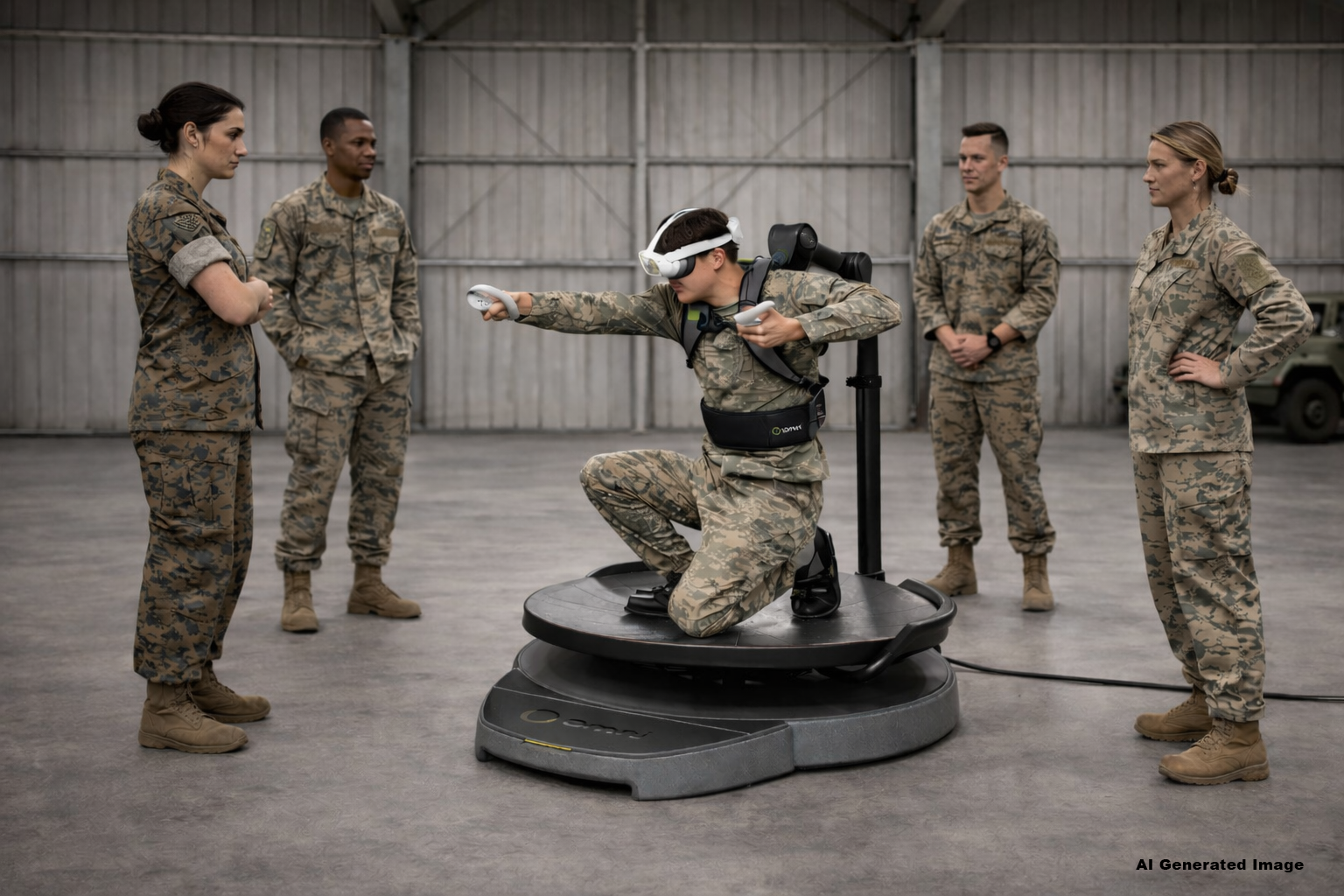
Veterans may already have experience that connects naturally with this work. Military training often places Service Members in realistic situations where they must evaluate information, communicate clearly, work within a defined role, and make decisions under pressure. Strategy games can strengthen those abilities while giving Veterans another way to describe the experience and mindset they bring to civilian careers.
Employers may not list gaming experience as a job requirement, but they regularly look for the abilities that strategy games exercise: critical thinking, communication, adaptability, teamwork, resource management, and decision-making. When those skills are supported by military service, professional experience, education, or technical training, they can become part of a strong career story.




0 Comments