
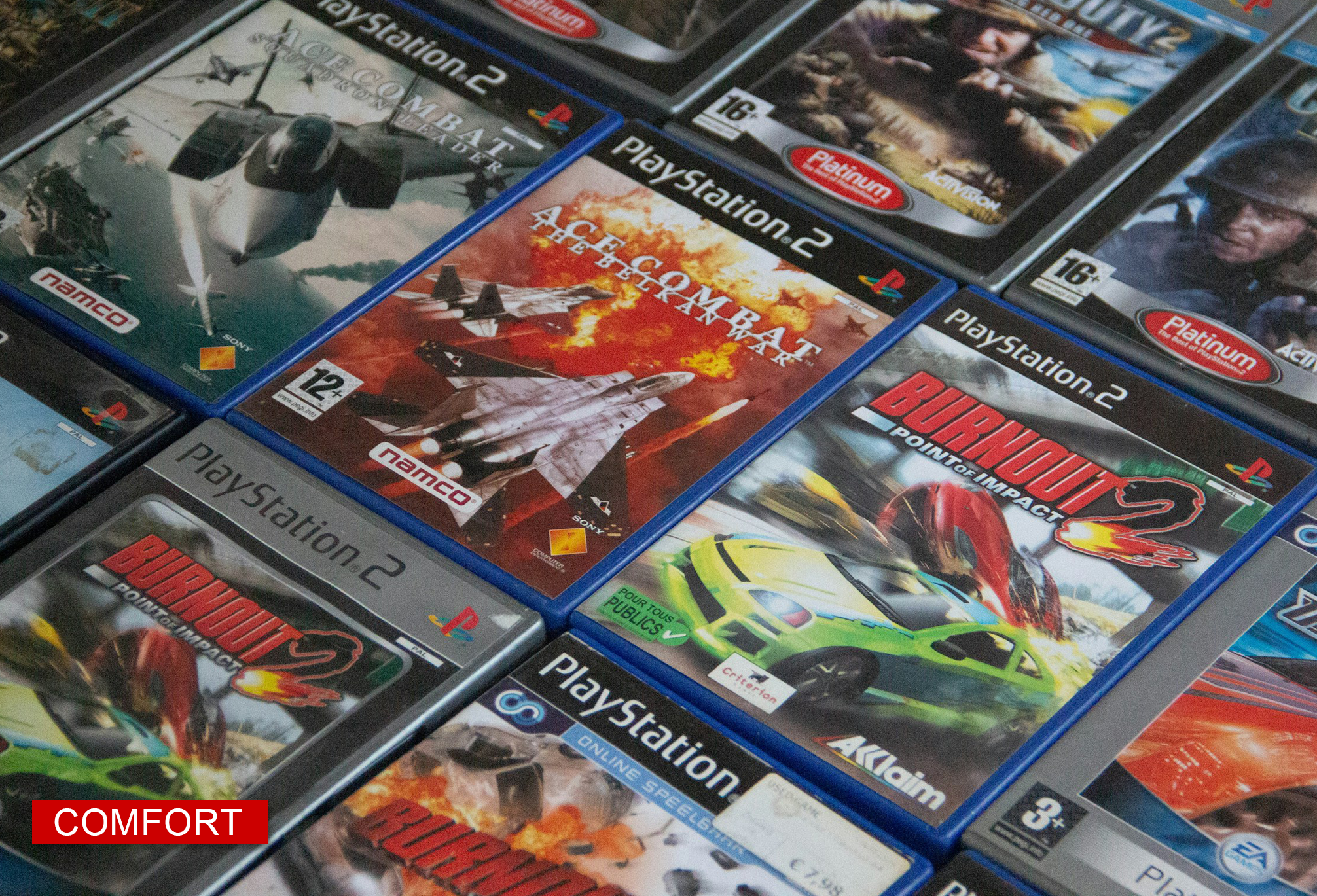
A game collection once had a visible place in the home. Cases filled shelves, friends borrowed favorite titles, and games could be traded for something new. Digital libraries have replaced much of that routine with rows of icons, immediate purchases, and no cases or cartridges to store.
The convenience is difficult to deny, but the tradeoff is becoming harder to overlook.
Game companies see digital distribution as cheaper and easier to manage, while consumers see a future with fewer places to shop and less freedom to lend, sell, or preserve the games they paid for.
Why Companies Are Ready to Leave Physical Games Behind
A physical release creates expenses before it reaches a player. Publishers must produce discs or cartridges, print packaging, arrange shipping, secure retail space, and estimate how many copies each market will need.
Digital distribution removes much of that uncertainty. The same game can go on sale across several regions without waiting for a shipment, and a publisher can keep selling it without manufacturing another run.
Sony recently placed a deadline on part of the debate. Beginning in January 2028, the company will stop producing discs for new games released on PlayStation consoles. Titles released before then will not be affected, but later games will be offered through the PlayStation Store and retailers in digital formats only.
Sony said the decision follows the way most players now access games. Downloads accounted for 78 percent of full PlayStation 4 and PlayStation 5 game sales during its 2025 fiscal year. The digital share reached 85 percent in the final quarter.
Online sales also give console companies more influence over the transaction. Several retailers can compete on the price of a physical game. One may offer a launch discount, another may include a gift card, and a used-game store may sell a copy for less.
Digital console games are usually sold through the storefront approved by the platform owner. That company decides when a title is discounted, how long a promotion lasts, and whether the game remains available.
Ending physical releases is not only about reducing manufacturing and packaging. It also gives companies more control over where games are sold and how they are priced.
What Changes for the Person Buying the Game
Players have good reasons for choosing downloads. A new title can be purchased from home, installed before release, and opened without changing a disc or cartridge.
The differences become more noticeable after someone finishes playing.
A physical copy may still have value. It can be sold online, exchanged for store credit, given to a relative, or loaned to a friend. Those choices can make a full-price game easier to afford because the buyer may recover some of the cost later.
A digital game normally stays with the account that purchased it. Deleting the file creates storage space, but it does not create a used copy that someone else can buy.
Limited internet service can make an all-digital system more difficult. A large download may take hours or use a substantial amount of data. Growing installation sizes can also force players to remove games or pay for additional storage.
Companies may view physical buyers as a shrinking part of the market. The remaining percentage can still represent millions of purchases, and choosing downloads most of the time does not mean customers want physical games eliminated.
A Physical Package May Still Require a Download
Many physical releases need updates before they work properly. Some require an account, online activation, or access to company-operated servers. A disc or cartridge may remain on the shelf even after part of the game becomes unavailable.
Nintendo Switch 2 Game-Key Cards sit somewhere between physical and digital. These cards are sold in physical packaging, but they do not contain the complete game. The player inserts the card, downloads the software, and keeps the card in the system while playing. An internet connection and enough storage are required for the download, while Nintendo says the game can generally be launched offline after its first use.
The card can still be lent or resold, so it keeps some of the freedom associated with a traditional cartridge. It provides less protection for preservation because the software must first come from Nintendo’s online service.
Consumers are now dealing with several products described as physical games. One may include a complete copy, another may need a major update, and another may serve mainly as a key for a download.
The Meaning of “Buy” Is Changing
Digital storefronts use familiar shopping language. Players click “buy,” pay the listed price, and see the game appear in a personal library.
The legal arrangement may be more limited. The customer often receives permission to access the software under a license rather than unrestricted ownership.
California’s AB 2426 addresses that gap. The law restricts sellers from presenting certain digital goods with words such as “buy” or “purchase” unless they clearly explain that the transaction provides a license or receive a separate acknowledgment from the customer.
The law does not guarantee that every digital game will remain accessible forever. It makes the conditions of the transaction more visible before money changes hands.
The Debate Is Really About Keeping a Choice
Downloads are already the preferred format for many players. The disagreement begins when convenience stops being an option and becomes the only way to purchase a new game.
Companies gain lower distribution costs, fewer inventory problems, and more control over sales. Consumers risk losing resale value, retail competition, simple lending, and a physical copy they can keep.
Detachable disc drives, smaller physical runs, transferable digital licenses, and clearer labeling could preserve some consumer choice without requiring every release to return to the old model.
The future of gaming may be digital. Players are still deciding whether that future should come without an alternative.
RELATED ARTICLE: PROTECT OUR GAMES ACT FAILS TO PASS CALIFORNIA SENATE COMMITTEE VOTE






0 Comments