*Update (October 9, 2026): Chris First has since republished the project and removed Fallout branding and protected references. More free AI-made browser games have popped up in the days since, including GTA-style and Minecraft-style projects.*
An AI-generated fan game called Fallout: New York disappeared almost as quickly as it arrived after its creator said Bethesda parent company ZeniMax Media sent a cease-and-desist notice.
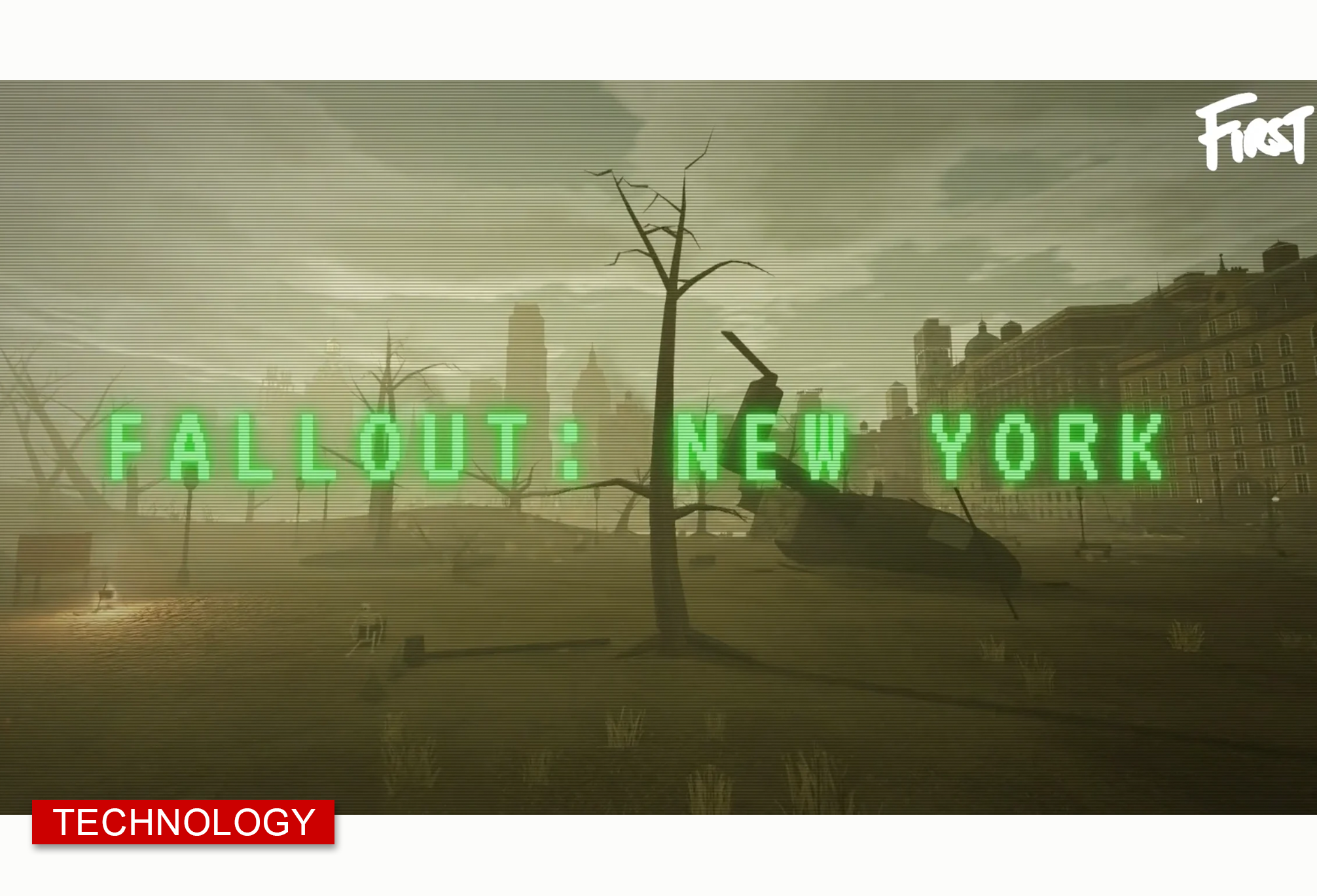
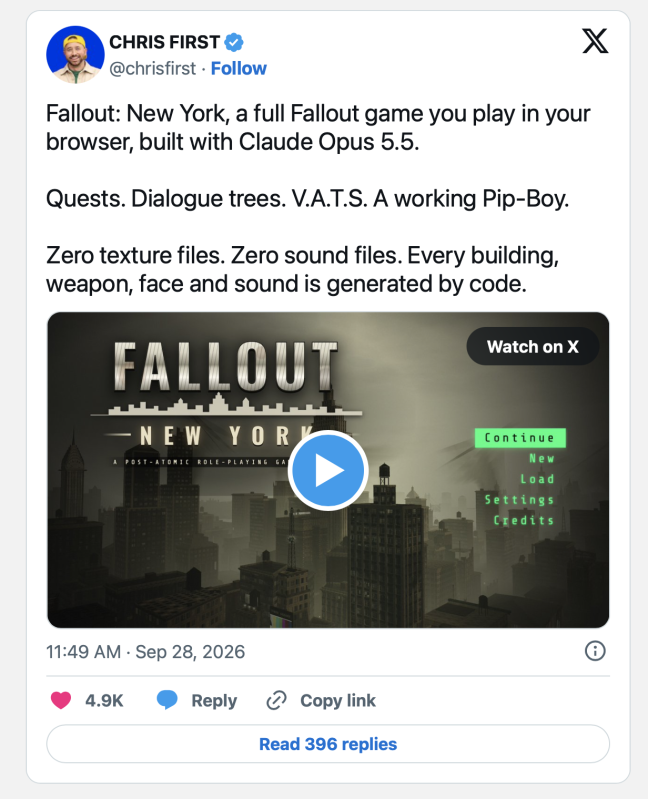
The browser-based project appeared online Sept. 28 and was created by a developer who goes by CHRIS FIRST. The creator said the game was built with Claude Opus 5.5 and a collection of AI agents rather than through a traditional development team.
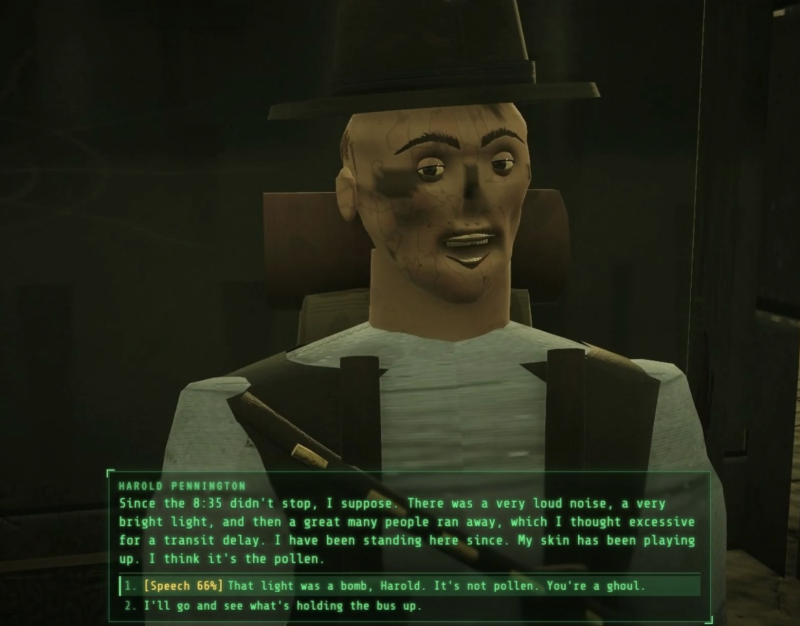
Fallout: New York recreated many familiar parts of Bethesda’s post-apocalyptic series. Players could use V.A.T.S., interact with a Pip-Boy-style interface, complete quests, talk with characters through dialogue trees, recruit companions, pick locks, and explore a version of New York built around the Fallout universe.
The creator also said the project did not rely on downloaded texture or sound files. Buildings, weapons, character faces, and other elements were generated through code.
The project quickly drew attention online. GamesRadar reported that the original demonstration reached about 3.5 million views on X before the game was removed.
The creator said the game was free and described it as a technology experiment rather than a commercial release.
CHRIS FIRST later shared an image of what appeared to be a cease-and-desist notice from ZeniMax Media. Reports on the letter say ZeniMax objected to the use of the Fallout name, copyrighted material, and the fallout.nyc domain.
The game was taken offline after the notice was received.
ZeniMax and Bethesda have not released a public statement confirming the letter, so the cease-and-desist currently comes from the document shared by the creator and subsequent reporting by gaming outlets.
ZeniMax’s complaint was not simply that AI was used to make the game. The issue was the use of the Fallout name, branding, and other material tied to the franchise.
Making the game free did not automatically protect it from a legal challenge. Fan projects can still run into copyright and trademark problems when they use another company’s protected property.
Bethesda has long supported some types of fan-created content and mods, but it also maintains rules around intellectual property. Its community standards encourage fan art, stories, screenshots, mods, and other creations while requiring users to respect ownership rights and permissions.
Fallout: New York went further than a typical piece of fan art. It presented itself as a playable Fallout game, used the franchise name directly, and recreated recognizable systems associated with Bethesda’s games.
What makes this different is how quickly AI tools helped turn the idea into a playable game.
Tools capable of generating code, artwork, dialogue, audio, and other game elements can allow individuals to create playable projects much faster than traditional development methods. That also makes it easier to recreate recognizable games and franchises without the people or companies that own them being involved.
The shutdown does not automatically prohibit AI-created games. Developers can use AI tools to build original projects without copying an established franchise. Problems can arise when those tools recreate protected material or present an unofficial project under an existing game company’s name.
The situation surrounding Fallout: New York may not be the last time gaming companies face this issue. As AI development tools become more capable, fan projects can move from an idea to a playable game in days rather than months or years.
Fallout: New York lasted only a few days online, but the debate it created is likely to continue much longer.








0 Comments