
Independent game developers are finding copies of their games on Roblox, sometimes within hours of promoting them online. For smaller studios that spend months or even years working on a game, seeing someone else release a similar version before their own launches has become a growing frustration.
On October 17, two developers shared their experience on Reddit after discovering that their upcoming game, Lost Luggage, had apparently been copied shortly after they began promoting its Steam page.
The game involves purchasing lost suitcases, opening them to discover what’s inside, and selling the contents to grow a luggage business.
According to the developers, several similar games appeared on Roblox within hours of their promotional post gaining attention. One Roblox creator even responded to their post with a competing version.
The developers had spent months working on their game, which had not yet been released. Meanwhile, others were already publishing similar experiences on Roblox.
Another example involves Dressmaker, an independent fashion simulation game released on Steam on September 21. The game allows players to create clothing by selecting fabrics, cutting patterns, and sewing dresses.
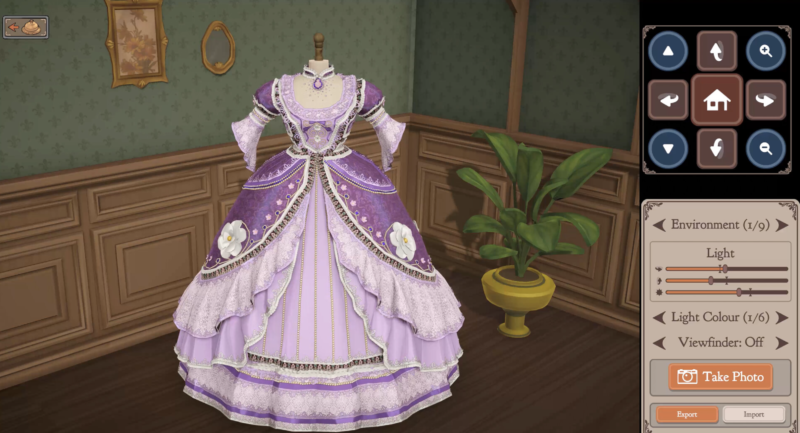
Just four days after its release, a similar game reportedly appeared on Roblox. The situation gained attention in an October 12 Reddit discussion, where users criticized how quickly Roblox developers were reproducing games from smaller studios.
The developer behind Dressmaker, Cozy Lives, acknowledged the copycats in an October 5 social media statement. The studio confirmed it was aware of imitations on Roblox and mobile platforms. Rather than encouraging players to confront those responsible, Cozy Lives asked people to ignore the copies and continue supporting the original game.
The concerns aren’t limited to Roblox. Developers are also becoming more cautious about releasing demos, worried that showing too much of a game could give others enough information to create a competing version.
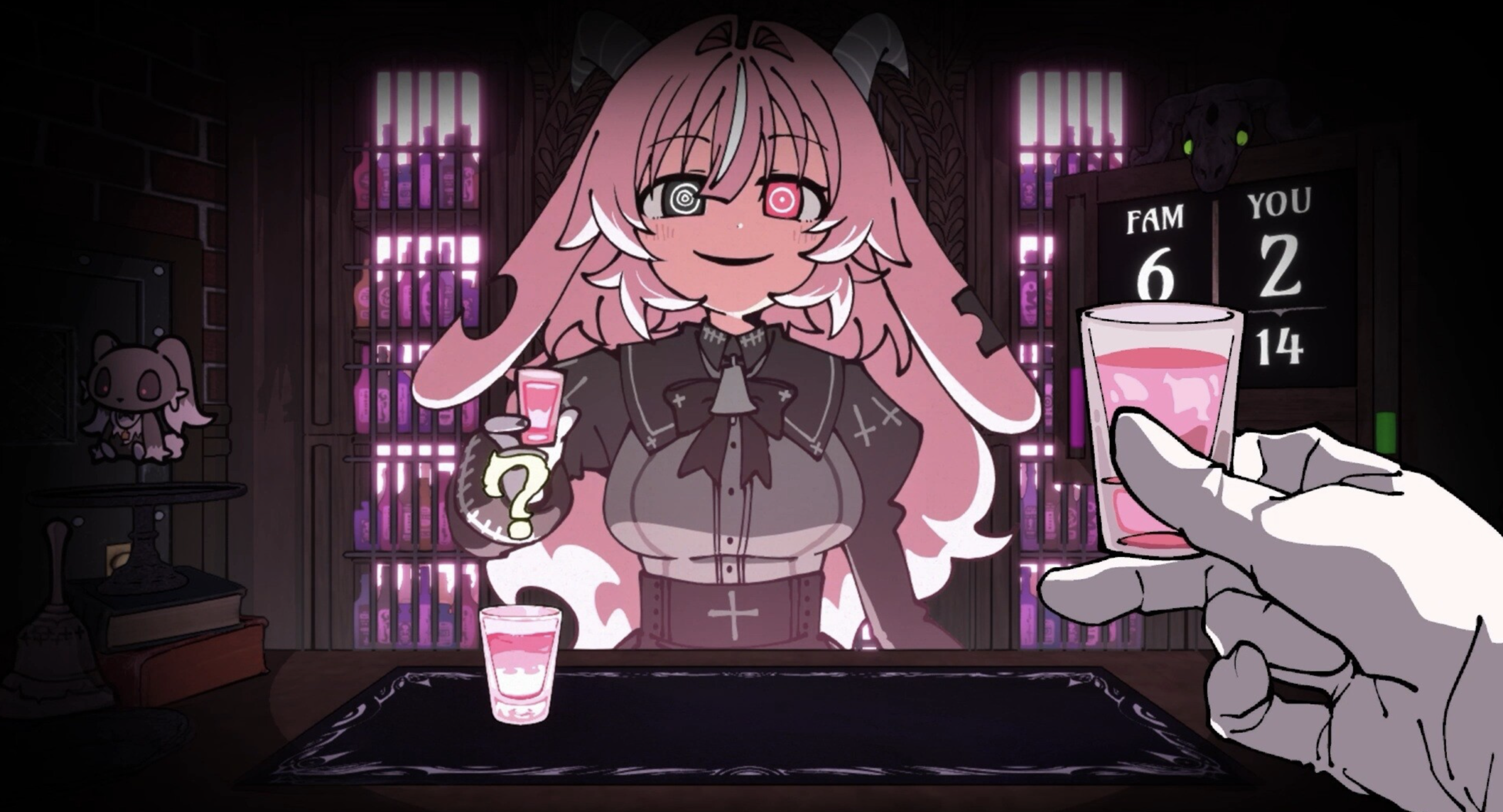
On October 16, Alliance Arts and WHO YOU, the teams behind Drunken Goddess Reflux, announced they were canceling a public demo scheduled for October 19.
In an official Steam announcement, the developers explained that AI-assisted development tools and other technology could allow someone to reproduce the game’s appearance and mechanics before the original was released.
Instead, the team decided to organize limited online play sessions, with restrictions on recording and streaming gameplay. Participants will be selected through a lottery.
Copycat games aren’t new. Popular releases have inspired countless imitations over the years, and Roblox has plenty of experiences based on familiar games and trends. The difference now is how quickly some of these copies are appearing.
AI development tools have added to those concerns, although there is no confirmed evidence that all the reported Roblox copies were created using AI.
There is also a difference between taking inspiration from a game and stealing someone’s work. According to the U.S. Copyright Office, copyright generally doesn’t protect a game’s basic ideas or methods of play. Original artwork, software, music, and other creative material, however, may qualify for protection.
That leaves developers in a difficult position. Two games can look and play similarly without necessarily violating copyright law, even when one clearly draws inspiration from the other.
Roblox does have rules against intellectual property infringement. Its Intellectual Property Guidelines prohibit unauthorized use of protected material, and the platform provides a Rights Manager that allows copyright holders to request the removal of infringing games and other content.
Still, not every imitation violates those rules, particularly when developers borrow gameplay concepts without reproducing protected material.
Smaller developers often rely on Steam pages, social media posts, and public demos to get people interested in their games. Without the advertising budgets of major publishers, showing their work early can be one of the few ways to attract players.
But when copies start appearing before the original is even available, developers worry about losing potential players to games they had no part in creating.
And now, some are choosing not to show their games at all until they’re closer to release.





0 Comments