
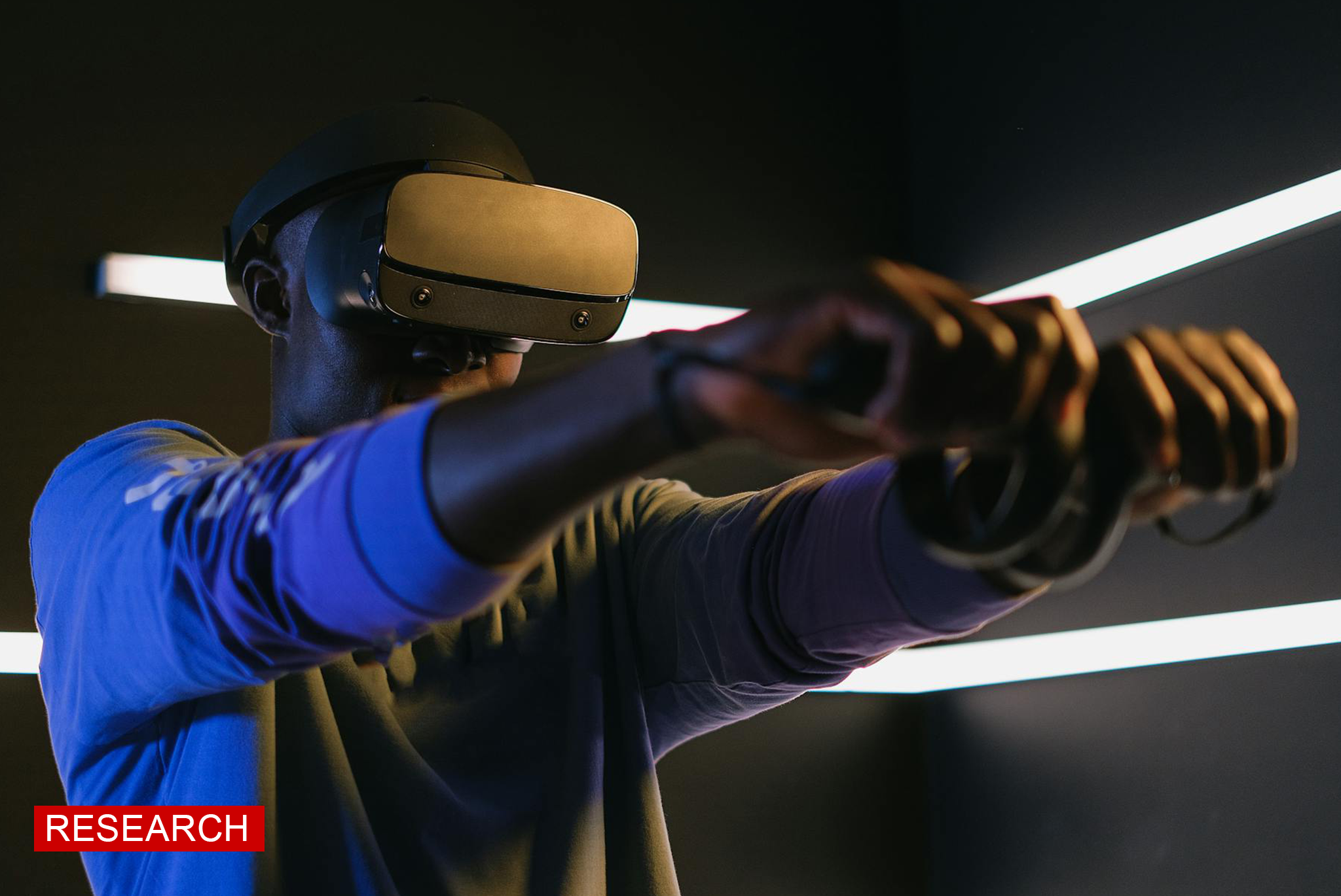
VA researchers are testing a virtual reality game that may help paralyzed Veterans stay more engaged during exercise and rehabilitation.
The pilot program was developed by researchers with the VA Advanced Platform Technology Center. It combines virtual reality with neuromuscular electrical stimulation, a process that sends electrical signals to muscles and helps them contract after a spinal cord injury.
For Veterans living with paralysis, exercise can be difficult to maintain. Electrical stimulation is used in some rehabilitation programs to help paralyzed muscles contract during exercise. That movement can support circulation, muscle activity, and cardiovascular fitness. The challenge is that the exercise can feel repetitive, which may make it harder for Veterans to stay motivated over time.
How the Virtual Rowing Game Works
The VA research team created a game built around rowing. In the virtual world, the Veteran rows a boat while trying to keep pace with a goose flying overhead. During the session, the player also tries to catch eggs dropped by the goose.
The game was paired with electrical stimulation-assisted rowing. As the Veteran rows, the system uses electrical stimulation to help activate paralyzed muscles involved in the exercise. It gives the Veteran something to watch, respond to, and work toward instead of simply repeating the same movement.
The VA said electrical stimulation can help contract paralyzed muscles following spinal cord injury and may improve overall health. Researchers wanted to see whether adding a virtual reality game could make the exercise more enjoyable while also improving effort during the workout.
What Researchers Found
The pilot included two paralyzed Veteran volunteers. Both Veterans found the virtual reality rowing program more engaging than completing the exercise alone.
Researchers also reported improved heart-rate response and exercise effort when the Veterans used the game with the electrical stimulation-assisted rowing system. That suggests the game did more than provide entertainment. It may have helped participants work harder and stay more involved during the session.
The findings were published May 1 in the American Journal of Physical Medicine and Rehabilitation. The study was small, but the results give researchers another area to study as they look for better ways to support Veterans with spinal cord injuries.
Why It Matters for Veterans
Spinal cord injuries can create long-term barriers to physical activity. When muscles are no longer controlled the same way, Veterans may have fewer options for traditional exercise. Over time, limited activity can affect strength, endurance, and heart health.
Programs that use neuromuscular electrical stimulation may help address some of those challenges by creating muscle contractions during exercise. When paired with rowing, the movement can involve multiple muscle groups and create a more demanding workout.
Virtual reality may add another benefit by making the exercise feel less clinical. Instead of focusing only on the effort or repetition, the Veteran is placed inside a game with a goal. That kind of feedback may help some Veterans stay focused and continue participating in therapy.
More Research Is Needed
The pilot involved only two Veteran volunteers, so the findings are early. Researchers would need larger studies to better understand how well the approach works, how long Veterans stay engaged, and whether it leads to lasting improvements in cardiovascular fitness.
Still, the study suggests that game-based therapy could become a useful tool in rehabilitation. For paralyzed Veterans, a virtual rowing game may offer a more engaging way to exercise while using technology already designed to support movement after spinal cord injury.




0 Comments