June is PTSD Awareness Month, a time to bring more attention to post-traumatic stress disorder and the military Veterans living with its effects. For many Veterans, isolation can become part of daily life, but gaming and online communities may offer another way to find connection, support, and a sense of belonging.
PTSD can develop after someone experiences or witnesses a traumatic event. According to the VA’s National Center for PTSD, symptoms that last longer than a month and cause problems in daily life may point to PTSD, and effective treatments are available through professional care and support.
Gaming is not a replacement for therapy, medication, or crisis care. However, research suggests that video games and online gaming communities may help some Veterans manage stress, connect with others, and find support in spaces where they feel understood.
Gaming as a Support Tool
A VA Research article published in 2019 reported on a small study of 20 Veterans using video games during mental health recovery. Sixteen of the Veterans in the study reported PTSD or trauma-related symptoms.
Researchers found that game play helped some participants distract from overwhelming symptoms, connect with others, and build confidence. The article also noted that clinicians may want to ask patients about how they use games so they can better support recovery.
Connection Matters for Veterans With PTSD
The social side of gaming may be especially important. A 2022 review in Frontiers in Psychology looked at loneliness and social isolation among military Veterans diagnosed with PTSD. The review found that peer support, group connection, trust, purpose, and community engagement were important parts of helping Veterans reconnect.
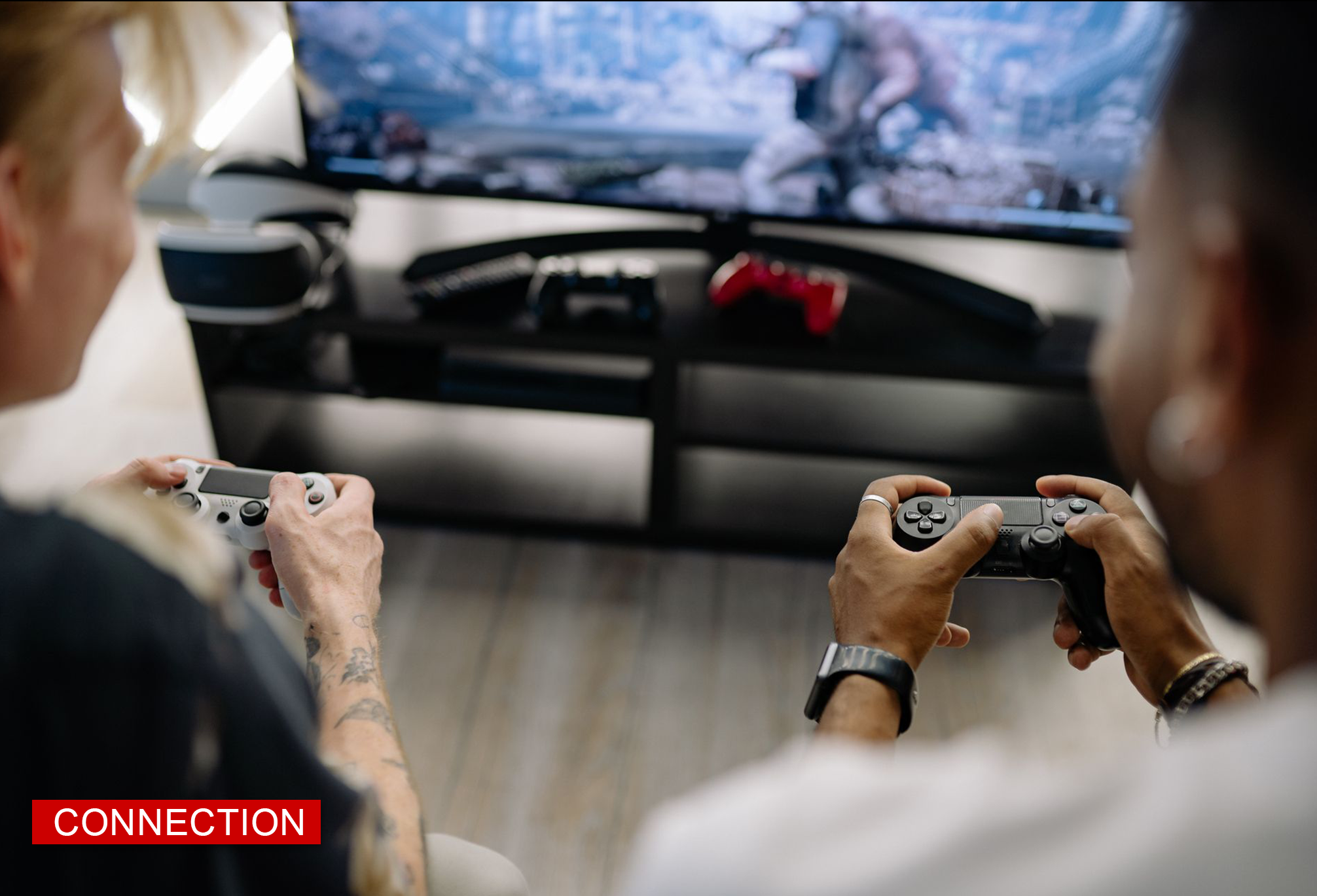
For Veterans who are not ready to walk into a crowded event, gaming can create a lower-pressure way to interact. A headset, a Discord server, or a shared mission in a game can make connection feel more manageable.
Players can talk, listen, joke, compete, or simply be present without having to explain everything they are going through.
Online Communities Can Provide Support
Johns Hopkins Bloomberg School of Public Health reported in 2024 on Stack Up’s Discord-based peer support and crisis program, which grew from a gaming community serving Veterans, Service Members, and civilians.
Researchers reviewed surveys, interviews, and about 180,000 chat messages and found that the program provided meaningful support to members who used it. Participants reported that anonymous, always-available peer support helped them feel connected, discuss private issues, and cope during difficult moments.
More Than Entertainment
For some Veterans, games provide structure. For others, they offer a break from racing thoughts. Multiplayer games can also give Veterans a role, a team, and a reason to check in.
Researchers are still studying the relationship between gaming and mental health. Oxford Internet Institute researchers have said one goal of their work is to better understand not just how much people play, but the quality of play and the circumstances that affect well-being.
The safest takeaway is that gaming can be a useful support tool when it builds connection, lowers isolation, and helps Veterans access trusted people. It becomes less helpful when it replaces sleep, treatment, family responsibilities, or real support.
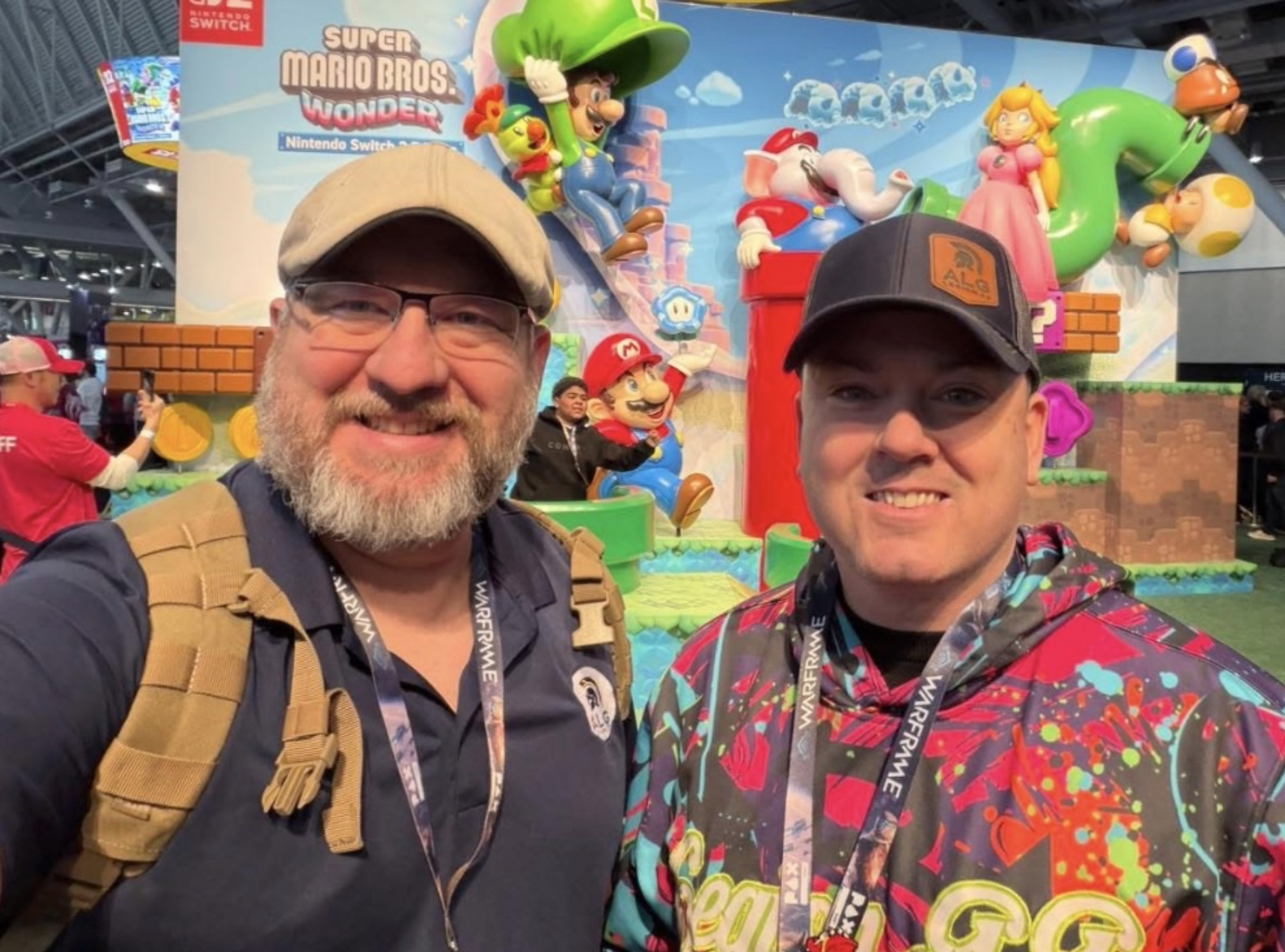
For American Legion Gaming and similar communities, the opportunity is not just to play. It is to create spaces where Veterans can show up, belong, and find people who understand the language of service, stress, and recovery.



0 Comments